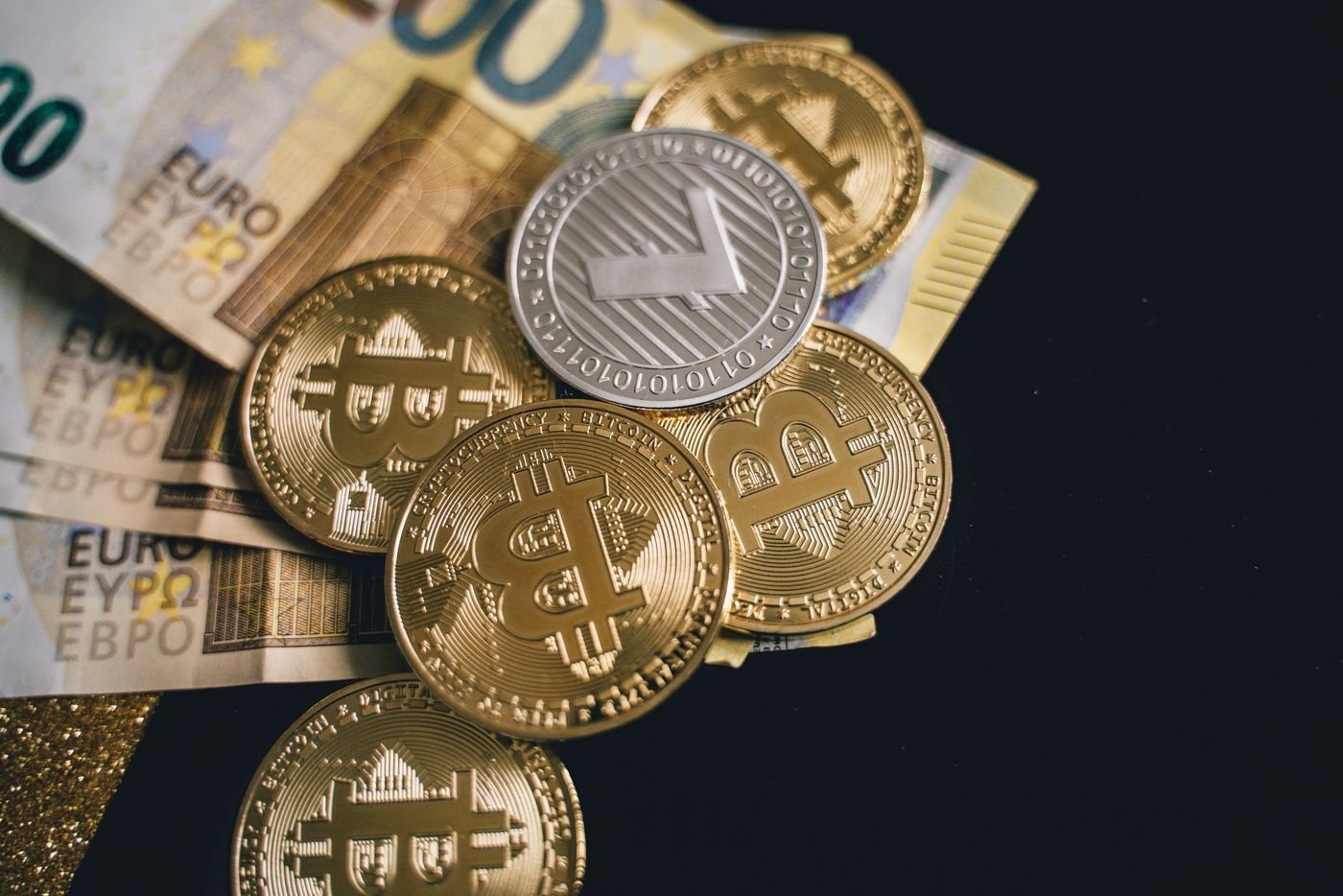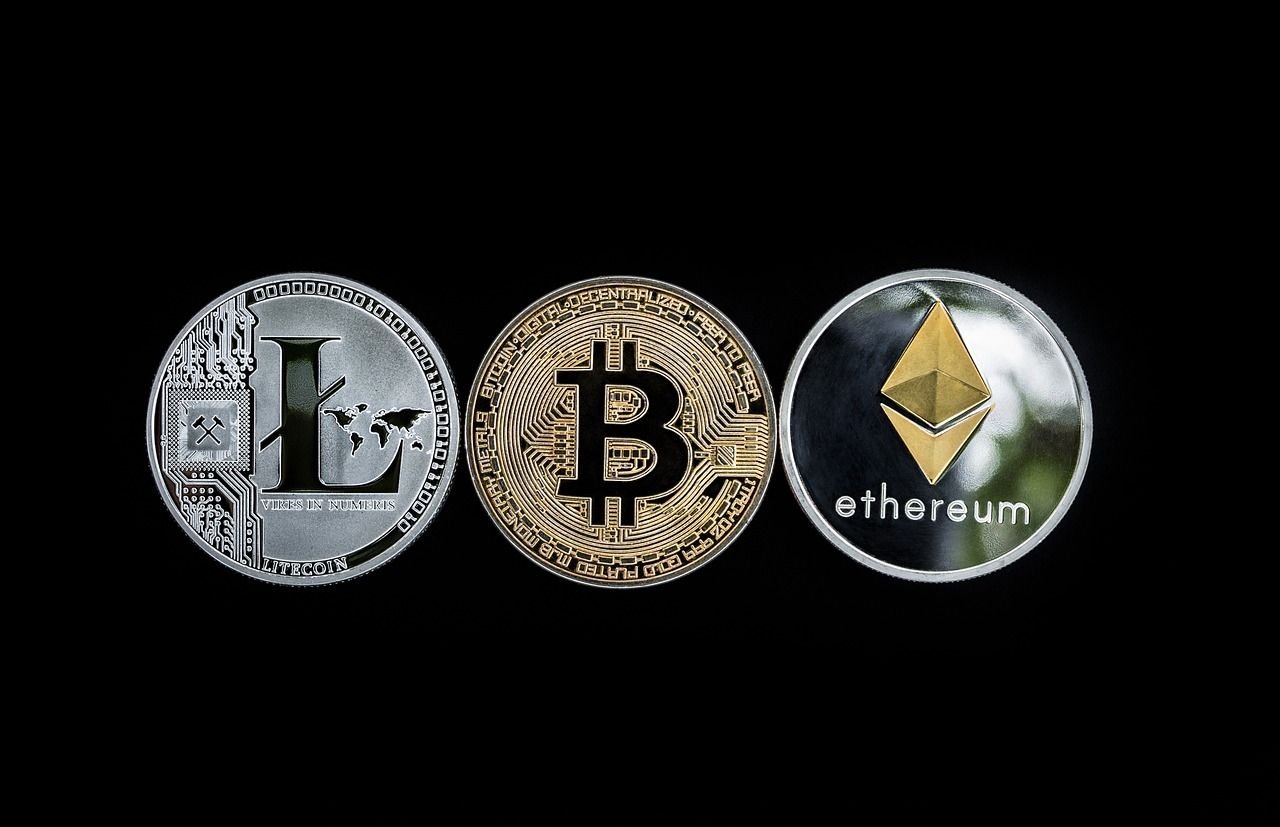
We keep hearing about Bitcoin, Ethereum, Binance, blockchain and NFTs, but what do these things mean? Are they just buzzwords, or is there a powerful idea behind them? Let's find out.
Cryptocurrency is entirely virtual. It is digital money that runs on blockchain technology and can be used to pay for both physical and online goods and services. The first cryptocurrency, Bitcoin, was introduced in 2009 by the pseudonymous creator Satoshi Nakamoto. Many people now see cryptocurrency as the most convenient means of exchange ever created.
Cryptocurrencies are decentralised
Cryptocurrencies do not need a central authority to run them. Instead, there is a ledger of every transaction made with that cryptocurrency, and every participant holds a copy of it. This shared-ledger system is known as blockchain technology.
No paperwork is needed, and you don't need a bank to move money. You can send funds locally and internationally with very low transaction fees. Cryptocurrencies are secured by cryptography — the science of hiding information — which is where the "crypto" in cryptocurrency comes from.
Investment
Many people are converting local currencies such as the dollar, the yuan and the naira into cryptocurrency because they believe it will be the next big thing. Bitcoin is one of the most widely held coins because of the trust and popularity it has earned. Others include Ethereum, for its blockchain platform and faster transactions; BNB, for the Binance exchange behind it; Cardano, for its technology; and Litecoin, for its newer algorithm.
The drawbacks
Volatility. Cryptocurrency prices are not stable. They move with speculation, news and user engagement.
Limited acceptance. Crypto is not yet a universally accepted form of money. In some parts of the world you can book flights, pay for trips or buy groceries with it, but it is not yet accepted everywhere.
Common terms
Like law, medicine or agriculture, crypto has its own vocabulary. Here are some terms you will hear often:
- Bullish
- A trader is bullish when they expect the price of a crypto asset to rise.
- Bearish
- A trader is bearish when they expect the price of a crypto asset to fall.
- Wallet address
- The digital address where cryptocurrency can be sent and received.
- TP
- Take profit — the price at which you close a trade to lock in gains.
- SL
- Stop loss — the price at which you close a trade to limit losses.
- Mooning
- A sharp, sudden rise in the price of a crypto asset.
- Leverage
- Borrowed buying power. In futures trading, leverage lets you earn more from the same capital in the same trade — but it also means more risk.